
























Meta Rejoins the Crypto Race: Integrating Stablecoins and a New Power Play
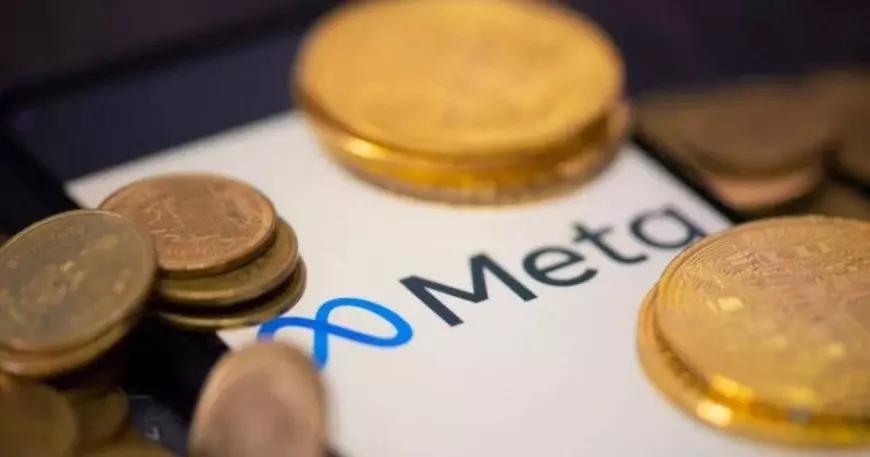
Meta (the parent company of Facebook) is officially returning to the crypto race with plans to integrate stablecoins into its platforms, after years of silence following the failure of its Libra/Diem project. This move marks a new step in Meta’s pursuit of a global digital financial ecosystem and aligns with the growing involvement of tech and financial giants like Visa and Stripe in the stablecoin space.
Meta's Quiet Yet Strategic Comeback After Libra/Diem
Since the dream of Libra/Diem ended in early 2022, Meta has been quietly monitoring the crypto market. Now, the company is exploring the integration of stablecoins such as USDT, USDC, and similar tokens in a multi-token approach aimed at reducing payment costs—particularly for payouts to global content creators. According to Fortune, Meta has initiated discussions with several blockchain technology partners.
Recently, Meta appointed Ginger Baker, former director at Ripple, as Vice President of Product, a clear signal that its crypto strategy is being revived. Baker's former company, Ripple, is also actively participating in the stablecoin game, launching RLUSD and reportedly in talks to acquire Circle, the issuer of USDC.
The Libra/Diem Legacy Lives On
Although forced to shut down due to intense global regulatory opposition, the Libra (later Diem) project left a lasting legacy in the blockchain world. The MOVE programming language—developed by the Diem team—is now being used in newer blockchain projects such as Aptos, Movement, and Sei, even though these projects are no longer affiliated with Meta.
Meta had also filed numerous trademarks related to crypto, blockchain, and digital assets between 2022 and 2023, raising concerns among U.S. lawmakers about the company’s ambitions in digital finance.
Stablecoins: From Tech Tools to Geopolitical Levers
Stablecoins are quickly evolving beyond mere technical tools and becoming central to U.S. financial strategy. In May, a slew of major companies unveiled new stablecoin-related initiatives:
-
Visa invested in stablecoin startup BVNK, acknowledging the growing role of stablecoins in the payments ecosystem.
-
Stripe launched stablecoin-based account services in over 100 countries, supporting conversion and fiat withdrawals.
One of the most notable developments is the emergence of USD1, a stablecoin issued by World Liberty Financial (WLFI) with backing from the family of former President Donald Trump. Within just two months of launch (March), USD1 climbed into the top 7 global stablecoins by market capitalization.
The Trump-affiliated camp has repeatedly emphasized that stablecoins will be key to reinforcing the global dominance of the U.S. dollar by attracting capital flows into U.S. bonds and financial assets.
Political Disputes Remain a Major Barrier
Despite strong backing from corporations, the path to stablecoin regulation in the U.S. is still hindered by political friction. On May 8, the U.S. Senate failed to pass the GENIUS Act—a proposed regulatory framework for stablecoins—after being blocked by Democratic senators.
U.S. Treasury Secretary Scott Bessent voiced his frustration on X (formerly Twitter):
"The Senate missed an opportunity to show leadership by failing to pass the GENIUS Act. This was a once-in-a-generation chance to expand the power of the U.S. dollar."
Strategic Implications: From Meta to Wall Street
From Meta to global financial firms and political institutions, stablecoins are no longer just technical tokens. They are becoming strategic tools in the battle to shape the future of global finance—where the U.S. dollar, blockchain technology, and geopolitics intersect in a high-stakes game.
In this context, Meta’s return could be a major turning point—once again shaking up the already overheated crypto landscape.
What's Your Reaction?