
























Arizona Officially Approves Bitcoin Reserve Bill: A Boost for Digital Assets in the U.S.
As the global crypto market shows signs of recovery following the Federal Reserve's decision to maintain interest rates, several U.S. states are beginning to take strategic steps to integrate digital assets into public policy.
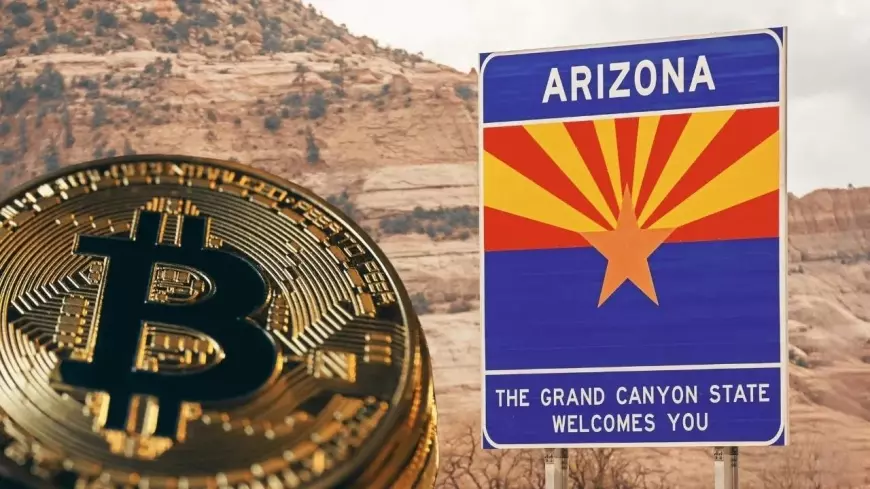
Most recently, Arizona has become the second state in the U.S. (after New Hampshire) to pass a bill establishing a Bitcoin reserve fund—marking a significant milestone in recognizing the role of crypto in state financial systems.
HB 2749: Bitcoin to Be Reserved as a Native Asset
HB 2749, signed into law by Governor Katie Hobbs, allows the state to hold unclaimed digital assets in their native form, rather than converting them to fiat currency as previously required. This means Bitcoin can now be directly managed as part of the state's reserve fund.
Notably, these assets will be held in a tax-exempt fund and may be eligible for staking or airdrops in the future, pending legislative approval.
“Modernizing Financial Laws,” Says Arizona Lawmaker
Representative Jeff Weninger, who authored the bill, stated that the initiative aims to “modernize financial laws” to reflect the growing role of digital assets in the global economy. According to him, holding crypto in its native form not only helps the state preserve the value of unclaimed assets but also lays the groundwork to benefit economically from emerging financial technologies.
New Hampshire Also Backs Bitcoin
Just days before Arizona's move, New Hampshire passed HB 302, which allows the state to invest up to 10% of public funds in precious metals and digital assets with a market capitalization of over $500 billion—criteria that currently only Bitcoin meets.
This move reflects a growing trend among U.S. states recognizing Bitcoin as a strategic asset amid increasing volatility in global financial markets.
The Crypto Race Among States: Who’s Next?
According to data from Bitcoin Laws, North Carolina and Texas are emerging as potential frontrunners in the next wave of Bitcoin reserve legislation. If approved, these policies would further expand the role of digital assets in the public sector while sparking positive competition among states to attract crypto businesses and investors.
The developments in Arizona and New Hampshire are just the beginning. As local governments begin to view Bitcoin as part of a long-term financial strategy, it’s likely that more states will follow suit. A regulatory ecosystem that embraces digital assets could become a key driver for the sustainable growth of the blockchain industry in the U.S.
What's Your Reaction?